
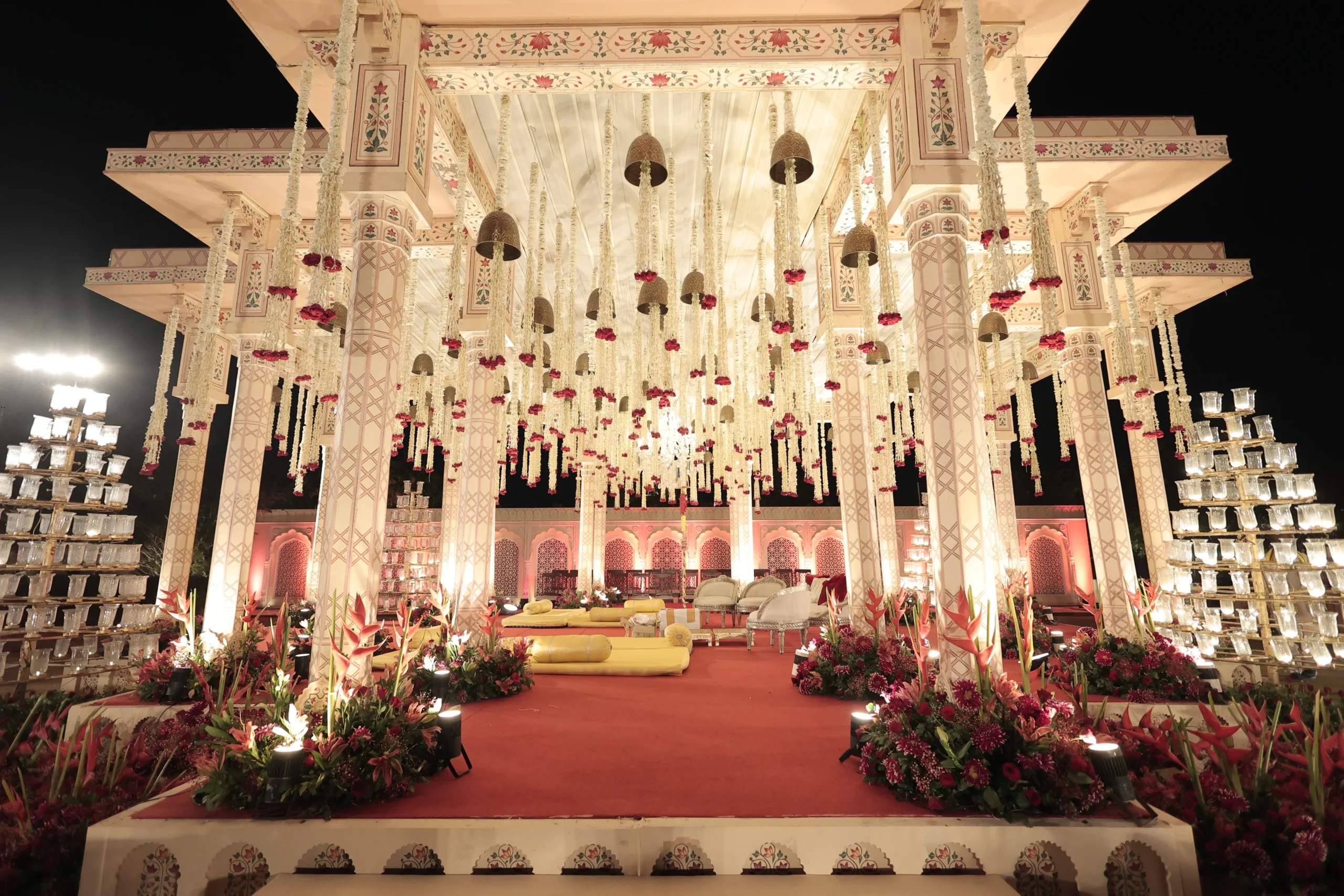
Destination weddings have transformed from intimate family gatherings into carefully curated experiences that blend travel, hospitality, culture, and unforgettable celebrations. Couples today are no longer looking for just a beautiful venue—they want a complete guest experience that reflects their personalities while ensuring every event runs smoothly.
As Rajasthan continues to attract couples from across India and abroad, discussions around Destination Wedding Management in Jaipur have become increasingly relevant. Jaipur’s royal architecture, luxury resorts, and rich cultural heritage make it one of the most preferred wedding destinations. However, behind every seamless celebration lies months of planning, coordination, and professional event management.
This article looks at industry trends, real-world planning challenges, and lessons from destination weddings rather than promoting any single company. These insights are inspired by the experiences of event professionals like Festal Events LLP, who have worked across diverse celebrations and understand how modern destination weddings continue to evolve.
Why Jaipur Continues to Lead Destination Weddings
Jaipur offers a combination that very few cities can match. Heritage palaces, modern luxury hotels, excellent connectivity, and vibrant traditions make it suitable for weddings of every scale.
From intimate celebrations with close family members to grand multi-day events hosting hundreds of guests, the city provides venues that suit different budgets and themes. More importantly, Jaipur allows couples to combine ceremonies with memorable guest experiences such as cultural evenings, heritage walks, local cuisine, and traditional performances.
Because of these advantages, Destination Wedding Management in Jaipur has become one of the fastest-growing segments within India’s wedding industry.
What Makes Destination Wedding Management Different
Planning a destination wedding involves far more than selecting décor or booking entertainment. Every guest becomes a traveler, making logistics equally as important as aesthetics.
Professional event teams typically coordinate multiple aspects simultaneously, including:
- Venue coordination
- Guest accommodation
- Transportation schedules
- Airport pickups and departures
- Vendor management
- Ceremony timelines
- Hospitality desks
- Welcome experiences
- Emergency contingency planning
Unlike local weddings, destination weddings leave very little room for last-minute mistakes because guests often arrive from different cities or countries.
Rajasthan Has Become More Than a Wedding Destination
The popularity of Destination Wedding Management in Rajasthan extends beyond Jaipur.
Cities including Udaipur, Jodhpur, Jaisalmer, Pushkar, and Ranthambore have become sought-after wedding destinations because each offers a unique atmosphere.
Some couples choose:
- Palace weddings
- Desert celebrations
- Lakeside ceremonies
- Heritage forts
- Luxury resorts
- Boutique heritage hotels
Rather than competing with one another, these destinations have collectively strengthened Rajasthan’s reputation as India’s wedding capital.
Technology Is Changing Wedding Planning
Today’s destination weddings rely heavily on digital tools.
Instead of maintaining spreadsheets and endless phone calls, event teams increasingly use:
- Digital RSVP systems
- QR code guest check-ins
- Shared itinerary apps
- Live guest tracking
- Vendor management software
- Real-time communication groups
- Online seating management
These technologies reduce confusion while allowing families to stay updated throughout the celebration.
For weddings involving international guests, digital communication has become particularly valuable because travel information changes frequently.
Sustainability Is Becoming a Priority
Luxury no longer means excess.
Many couples now request environmentally responsible celebrations without compromising elegance.
Current sustainable wedding practices include:
- Reusable décor structures
- Locally sourced flowers
- Digital invitations
- Reduced food wastage
- Eco-friendly welcome hampers
- Sustainable gifting
- Waste segregation during events
These initiatives demonstrate that responsible planning and luxury experiences can comfortably coexist.
Guest Experience Is Now the Biggest Trend
Industry conversations have shifted significantly over the past few years.
Earlier, weddings were remembered primarily for décor and celebrity performances.
Today, guests often remember:
- Warm welcomes
- Comfortable accommodation
- Hassle-free transportation
- Well-managed schedules
- Personalized gifting
- Helpful hospitality teams
- Smooth check-ins
- Timely communication
As a result, event companies increasingly dedicate larger planning resources toward guest management rather than focusing only on visual production.
The Rise of Multi-Day Wedding Experiences
Modern destination weddings rarely consist of just one ceremony.
Instead, celebrations often span three to five days featuring multiple experiences.
Typical schedules may include:
- Welcome dinner
- Pool party
- Mehendi
- Haldi
- Cocktail evening
- Sangeet
- Wedding ceremony
- Reception
- Farewell brunch
Managing multiple venues, vendors, and guest movements requires extensive planning well before the first guest arrives.
Why India Continues to Dominate the Destination Wedding Market
The growth of Destination Wedding Management In India reflects changing lifestyles, improved travel connectivity, and increasing demand for personalized celebrations.
Couples now choose destinations based on experiences rather than proximity.
Popular wedding regions include:
- Rajasthan
- Goa
- Kerala
- Himachal Pradesh
- Uttarakhand
- Andaman Islands
Among these, Rajasthan consistently remains one of the strongest choices due to its combination of heritage, luxury hospitality, and wedding-friendly infrastructure.
Behind Every Successful Destination Wedding
Successful weddings often appear effortless to guests.
Behind the scenes, however, months of preparation include:
- Vendor negotiations
- Timeline planning
- Risk management
- Weather backup strategies
- Guest communication
- Budget monitoring
- Accommodation planning
- Transportation mapping
- Permission coordination
- Emergency response planning
Experienced event management companies such as Festal Events LLP understand that successful execution depends on preparation long before the wedding festivities begin.
Rather than reacting to problems, professional planners work to prevent them from occurring in the first place.
Future Trends to Watch
The destination wedding industry continues evolving rapidly.
Emerging trends include:
- AI-powered guest management
- Hybrid wedding experiences
- Immersive cultural storytelling
- Wellness-focused wedding weekends
- Personalized guest itineraries
- Interactive digital invitations
- Luxury experiential gifting
- Data-driven event planning
These innovations indicate that future weddings will become even more personalized while maintaining operational efficiency.
As expectations continue to rise, Destination Wedding Management in Jaipur, Destination Wedding Management in Rajasthan, and Destination Wedding Management in India will increasingly focus on creating meaningful guest experiences rather than simply organizing ceremonies.
Conclusion
Destination weddings are no longer defined solely by beautiful venues or grand decorations. Their success depends on thoughtful planning, seamless logistics, excellent hospitality, and memorable guest experiences.
Jaipur remains one of India’s most preferred wedding destinations because it combines royal heritage with world-class hospitality infrastructure. At the same time, Rajasthan as a whole continues to strengthen its position as a leading destination for luxury celebrations.
Industry professionals, including teams like Festal Events LLP, have demonstrated that the most successful destination weddings are those where every detail—from guest arrivals to farewell departures—is managed with precision. As the industry embraces technology, sustainability, and personalized experiences, destination wedding management will continue to evolve into a complete hospitality-driven experience.
FAQs
Jaipur offers heritage palaces, luxury hotels, excellent connectivity, cultural experiences, and professional event infrastructure, making it one of India’s leading wedding destinations.
It generally includes venue coordination, guest hospitality, accommodation management, transportation, vendor coordination, event scheduling, logistics, and on-ground execution.
Rajasthan provides diverse wedding venues including palaces, forts, lakeside resorts, heritage hotels, and desert destinations, along with rich cultural traditions that enhance the wedding experience.
Most industry experts recommend beginning preparations at least 8–12 months in advance, especially for weddings during the peak season.
The industry is adopting digital RSVP systems, AI-powered planning tools, sustainable practices, personalized guest experiences, and data-driven event management to improve efficiency and guest satisfaction.